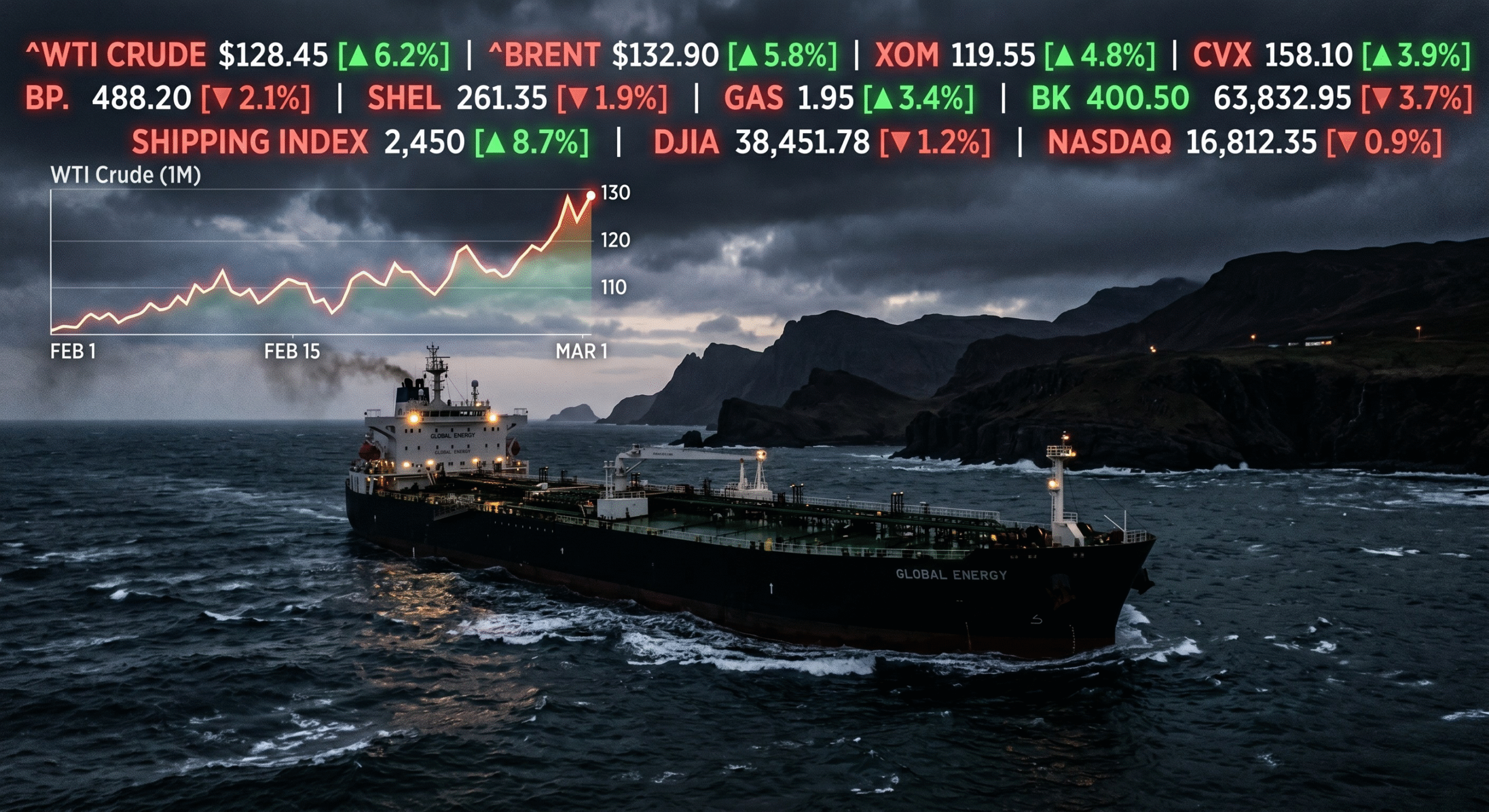
While most of us are staring at our bank statements and wondering why the price of gas just jumped again, a select group of global corporations is having a record-breaking year. It’s a bit of a bitter pill to swallow, isn’t it? As the conflict between the US-Israel alliance and Iran continues to reshape the global economy, the closure of the Strait of Hormuz has created a “perfect storm” for certain industries.
In this post, we’re going to look at how the chaos of war—specifically the kind that shuts down a fifth of the world’s energy supply—ends up lining the pockets of the world’s biggest players.
The Bottleneck: Why the Strait of Hormuz Matters
To understand the profits, you first have to understand the geography. The Strait of Hormuz is essentially the world’s jugular vein for energy. When Iran effectively closed it in late February 2026, the global supply chain didn’t just stumble; it hit a wall.
When supply disappears but demand stays the same, prices skyrocket. For families, this means higher heating bills and more expensive groceries. But for those selling the energy or betting on its price, it means a goldmine.
1. Oil and Gas: The Trading Advantage
You might think oil companies only make money by digging holes in the ground, but the real “bumper profits” lately have come from trading.
European oil giants, in particular, have sophisticated trading arms. These divisions operate like high-stakes hedge funds. When the market is volatile—swinging wildly because of a new development in the conflict—these companies use their massive resources to buy and sell at exactly the right moments.
- Market Volatility: Uncertainty is their best friend. Rapid price shifts allow these firms to capture margins that simply don’t exist during peacetime.
- Alternative Routes: While the Strait is closed, companies with access to pipelines or tankers outside the immediate conflict zone can charge a massive premium.
2. Big Banks: The House Always Wins
If oil companies are the players, big banks are the casino.
Take JP Morgan as the primary example. Their trading arm pulled in a staggering $11.6 billion in revenue just in the first quarter of 2026. How? Because in times of war, everyone—governments, corporations, and investors—is moving money around.
Banks profit from:
- Increased Trading Volume: More people buying and selling to protect their assets.
- Hedging: Companies pay banks huge fees to “hedge” against future price hikes.
- Interest Rates: As central banks react to war-driven inflation, rising interest rates often widen the profit margins for the world’s largest lenders.
3. The Defense Sector: Rearming the World
Though not mentioned as often in the daily “cost of living” news, the defense industry is the most direct beneficiary of the conflict. The US-Israel-Iran war has led to a massive depletion of munitions, drones, and defense systems.
Companies like Lockheed Martin, Raytheon, and Northrop Grumman are seeing their order books filled for years to come. It’s not just the immediate war zone; neighboring countries are also “panic-buying” defense tech to ensure they aren’t the next targets of regional instability.