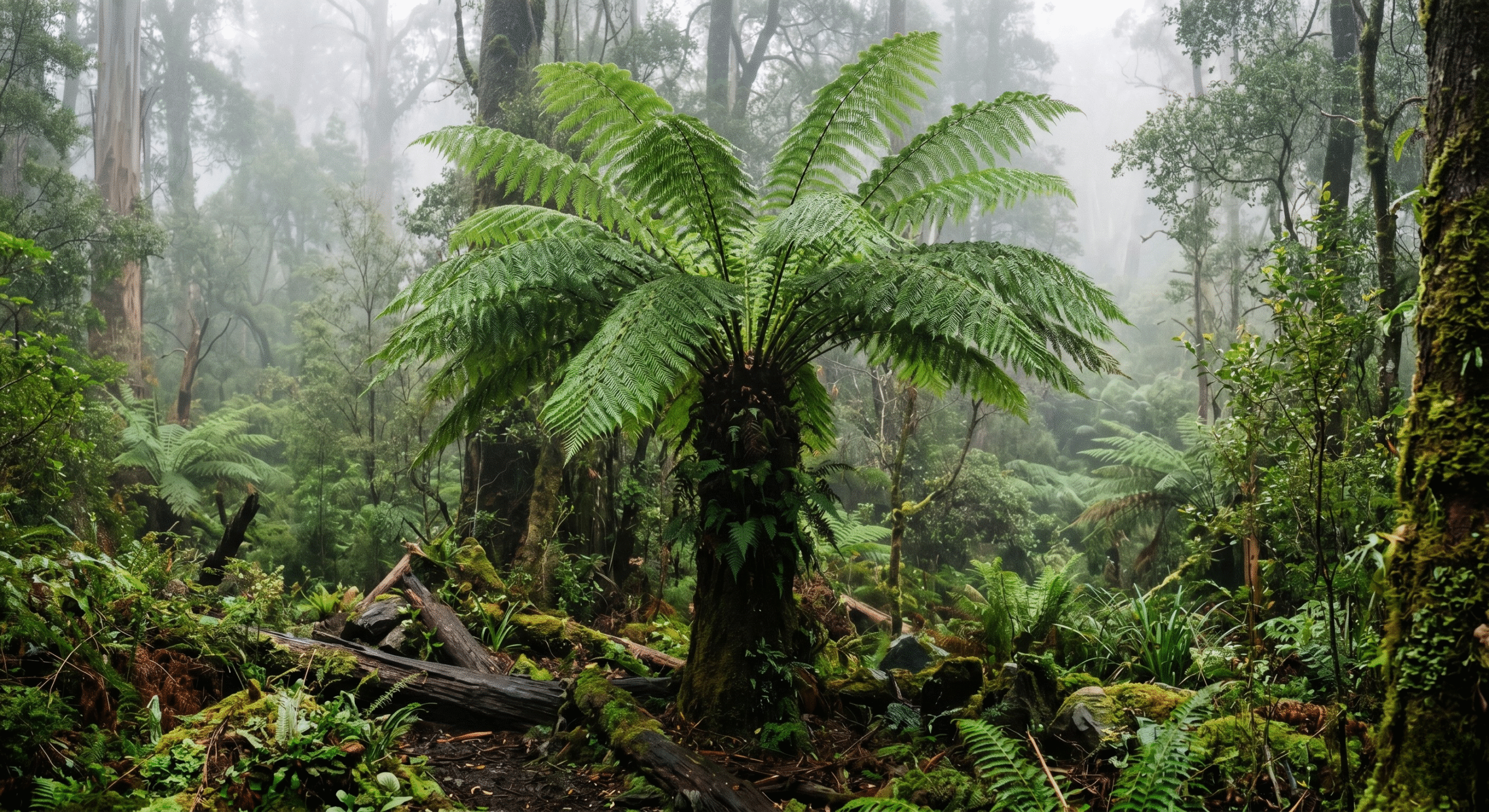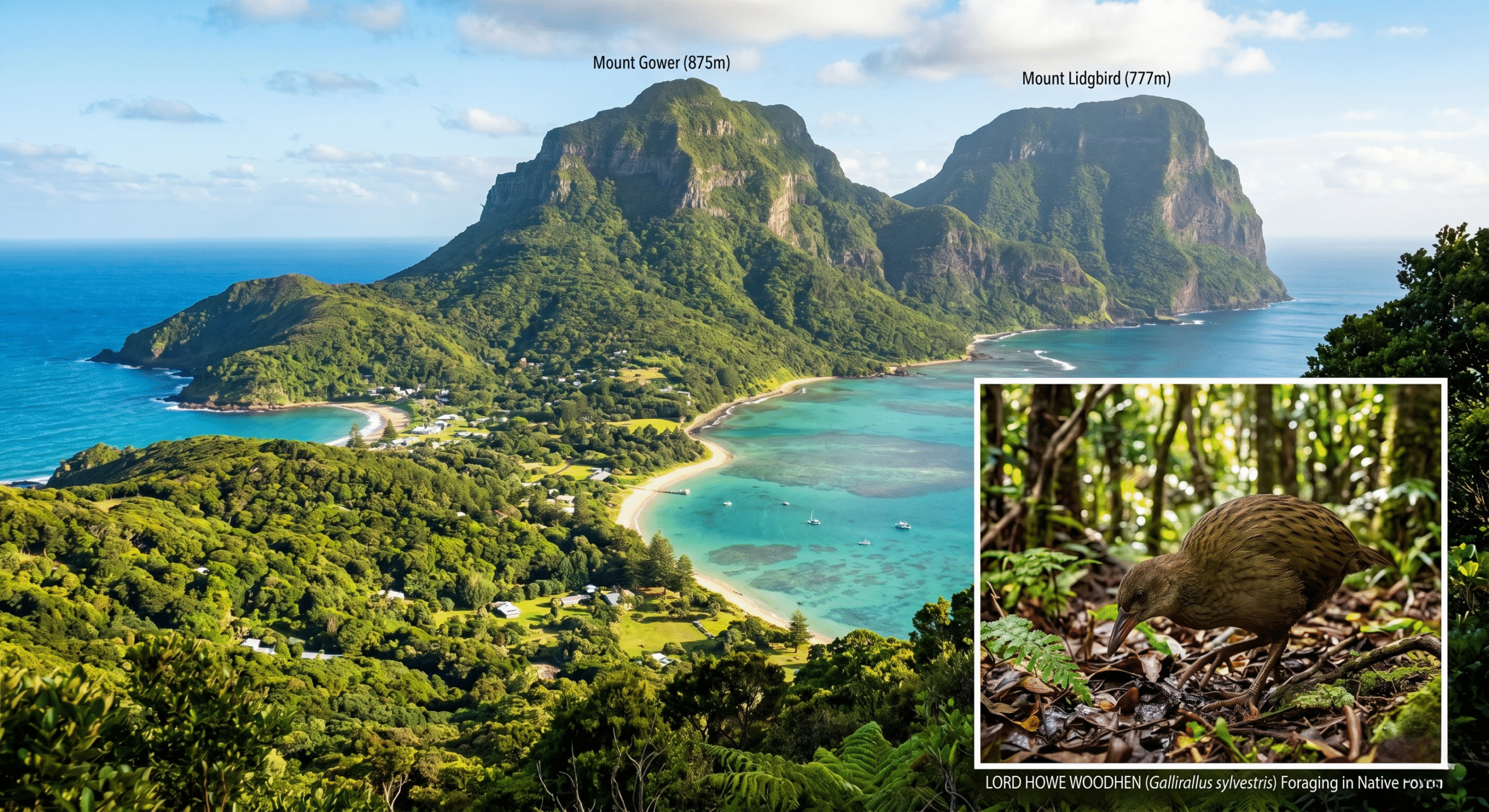
Imagine thinking a creature was gone forever, only for it to pop out from under a log 100 years later! That is exactly what is happening right now on Australia’s beautiful Lord Howe Island. After a long, quiet century, some truly unique local residents are finally making their way home.
Here is the story of how this fragile island bounced back from the brink.
An Accidental Invasion
For thousands of years, the wildlife on Lord Howe Island lived in perfect, peaceful balance. But that all changed when human ships started arriving.
- The Mice: In the 1860s, visiting ships accidentally brought mice to the island’s shores.
- The Rats: Decades later, in 1918, a shipwreck introduced black rats to the environment.
- The Devastation: Because the native animals had never dealt with these predators before, they were sitting ducks. The rodents rapidly ate their way through the local wildlife, driving five native birds and 13 invertebrate species straight to extinction.
The Great Cleanup
Knowing the island was losing its unique natural heritage, conservationists decided enough was enough. They launched a massive “search and destroy” eradication program to rid the island of every last invasive mouse and rat.
It was a huge effort, but it paid off. Today, the island’s shores are officially pest-free.
Look Who’s Back!
Now that the rodents are gone, the island is slowly waking back up. Scientists are finding bugs and critters that haven’t been seen in lifetimes!
- The 80-Year-Old Surprise: Maxim Adams, a PhD candidate at the University of Sydney, reported that a native wood-eating cockroach—presumed extinct for 80 years—has suddenly re-emerged. As he put it, “Once the rats were removed, we realized that a couple of populations were actually holding on. It was a beacon of hope.”
- Century-Old Beetles: Professor Nathan Lowe, who leads the university’s molecular ecology lab, noted that certain beetles haven’t been spotted in at least 100 years but are now crawling around the island once again.
- Endemic Slaters: A whole bunch of native slaters (woodlice) unique to Lord Howe Island are also bouncing back in a big way.